Experienced mediators know that what happens between the words can be just as important as what is said at the negotiating table.
A disputant goes quiet. An attorney becomes increasingly rigid. Someone who appeared ready to negotiate suddenly digs in. Another participant keeps repeating the same argument despite hearing every logical reason to reconsider. What are they communicating that you may not be hearing?
In high-stakes mediation, successful resolution requires more than mastering the facts, evaluating the case, or asking good questions. It requires the ability to read the room: to recognize emotional pressure, behavioral tendencies, communication preferences, decision-making styles, and the subtle dynamics influencing whether people move toward resolution or retreat further into conflict.
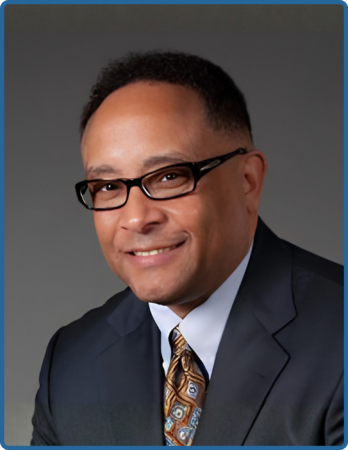
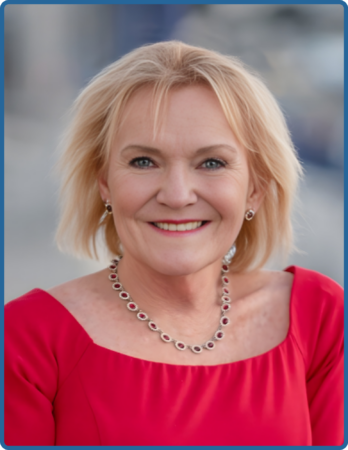
In this highly interactive program, Dr. Debra Dupree and Harold Coleman will explore how mediators can combine emotional intelligence, behavioral insight, and ethical influence to better understand the people behind the positions. Participants will learn practical strategies for recognizing verbal and nonverbal cues, adjusting questioning and communication approaches, managing emotionally charged interactions, and building the trust necessary for meaningful negotiation.
And there is an important line to navigate: When does influence help people make better-informed decisions, and when does it begin to compromise mediator neutrality or party self-determination?
Through real-world mediation scenarios and practical applications, participants will leave with new ways to recognize what may be driving resistance, adapt their approach in the moment, and create conditions in which even difficult conversations have a greater opportunity to move forward.
Because sometimes the breakthrough in mediation does not come from changing the offer.
It comes from changing how we read the room.